
If you’re an affiliate marketer working in the iGaming industry, you must understand casino player behavior in detail. Fortunately enough, this topic has been researched in detail by advertisers and psychologists over the past years, so you won’t have to reinvent the wheel on your own.
Modern casinos, both online and land-based, use advanced behavioral science to influence decisions, increase engagement, and maximize retention.
The global gambling industry reflects the success of these tactics. In Q3 2024 alone, the US commercial gaming market reached $17.71 billion in revenue, marking the 15th consecutive quarter of growth. This growth is the result of understanding casino player psychology and using it for profits.
Read on to find out what triggers players and their motivations to gamble in 2026.
- Understanding the Psychology of Casino Players’ Behaviors
- Illusion of Control
- Overconfidence Bias
- Availability Heuristic
- Confirmatory Bias
- What Triggers Casino Players: Internal and External Drivers
- Internal Triggers Explained
- 1. Dopamin
- 2. Desire for Reward
- 3. Emotional Escape or Avoidance Gambling
- 4. Excitement and Sensation Seeking
- Loss Chasing and Recovery Behavior
- Habit Formation and Behavioral Conditioning
- External Triggers Explained
- Bonuses and Promotions as Behavioral Triggers
- Game Mechanics
- Personalization and AI Triggers
- How Internal and External Triggers Work Together
- How to Use Psychological Triggers in iGaming Marketing
- Casino Player Motivations: Why People Gamble
- Winning Money
- Social Interaction
- Competition and Status
- Convenience and Accessibility
- Financial Speculation
- How Gamblers Choose Casinos
- Generational Differences in Casino Player Behavior
- Baby Boomers
- Millennials
- Gen Z
- Future Trends in iGaming Marketing Using Psychology
- Summary
Understanding the Psychology of Casino Players’ Behaviors
Casino player behavior is based on the patterns, decisions, and emotional responses players show while gambling. These reactions are influenced by a mix of internal psychology and external triggers.
Players rarely act as rational decision-makers. Instead, they rely on cognitive shortcuts that distort probability and risk perception. That’s what makes them so predictable: repeatable psychological patterns.
Let’s take a look at the most common biases that form their decision-making.
Illusion of Control
Players often believe they can influence random outcomes. For example:
- Choosing numbers in roulette;
- Stopping slot reels manually.
This illusion increases engagement and betting persistence .
Overconfidence Bias
Players tend to overestimate their ability to win. Researchers from the Southern Cross University conducted a study demonstrating that overconfidence leads to:
- Higher bet sizes;
- More frequent gambling sessions.
Evidence also shows that heavy gamblers are more overconfident than non- or recreational gamblers, and that overconfidence predicts chasing behavior.
Availability Heuristic
Researchers from Monash University conducted a major gambling review.
It explicitly states that flashing lights and loud noises around slot wins can fuel an availability heuristic, making wins easier to recall than losses and biasing the decision to keep playing. Celebratory feedback can cause players to overestimate how often they are winning, even when the outcome is a net loss.
This leads to one clear takeaway: players judge probabilities based on memorable events.
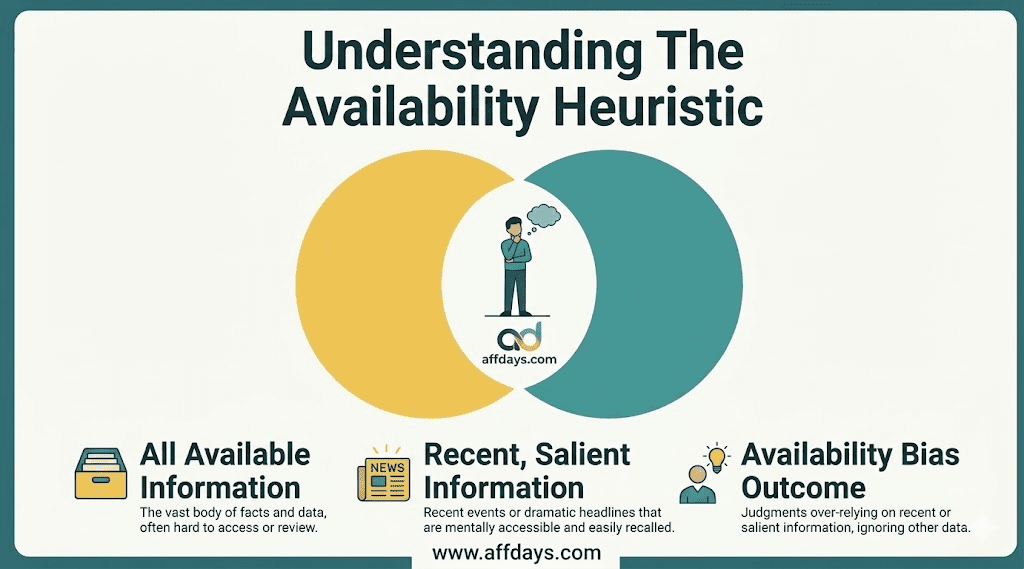
iGaming websites and casinos amplify this by:
- Highlighting wins with lights and sounds;
- Making jackpots highly visible.
This leads players to overestimate winning chances .
Confirmatory Bias
Research on gambling memory bias indicates that players tend to remember wins and forget losses, which can help explain persistent gambling despite repeated losses. A summary from Lakehead University reported that about one-third of heavy gamblers tended to recall wins but forget losses.
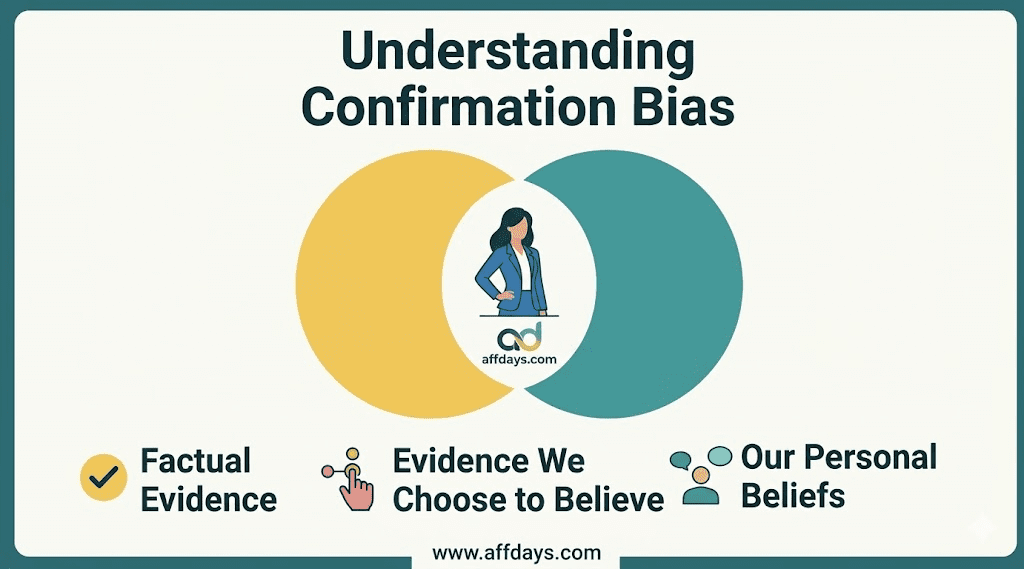
Players remember wins and ignore losses. That’s why even a single win can reinforce continued gambling behavior, motivating them to keep on trying.
What Triggers Casino Players: Internal and External Drivers
Triggers are the mechanisms that initiate, reinforce, and sustain gambling activity. They operate on two levels: internal (psychological and emotional) and external (designed and environmental). Successful casinos and affiliate marketers use both to create continuous engagement.
Internal Triggers Explained
Internal triggers originate within the player. They are rooted in casino user psychology and explain why a person feels compelled to start or continue gambling.
1. Dopamin
It’s the neurotransmitter responsible for motivation and reward. What’s important is that:
- Dopamine is released not only when players win but also when they anticipate a reward;
- Uncertainty increases dopamine release more than predictable outcomes.
This means that random rewards (like slot wins) are more addictive than fixed rewards.
This explains why:
- Players keep spinning even after losses;
- Anticipation becomes more powerful than actual winnings.
2. Desire for Reward
The most obvious trigger is the desire to win money. However, this is only part of the picture.
Players are also driven by:
- Psychological rewards (feeling successful);
- Symbolic rewards (status, achievement);
- Emotional rewards (relief, excitement).
Even small wins can reinforce behavior because they validate the player’s belief in potential success.
3. Emotional Escape or Avoidance Gambling
It is one of the strongest internal triggers. Various research indicates that players gamble to:
- Reduce stress;
- Distract from personal problems;
- Avoid negative emotions.
Research shows that this motivation is a stronger predictor of problematic gambling than financial motives. This type of casino player behavior is characterized by:
- Longer sessions;
- Repetitive gameplay;
- Reduced awareness of losses.
4. Excitement and Sensation Seeking
Gambling creates a state of heightened arousal. This includes:
- Increased heart rate;
- Adrenaline spikes;
- Emotional intensity.
For many players, especially youth, this thrill is the main driver. Casino player motivations in this segment are less about money and more about:
- Experience;
- Stimulation;
- Entertainment value.
Loss Chasing and Recovery Behavior
After losing, players often feel compelled to recover their money. This creates a powerful internal trigger:
- “I just need one win to break even.”
This leads to:
- Higher bets;
- Riskier decisions;
- Prolonged sessions.
This behavior is amplified by cognitive biases like overconfidence and confirmation bias.
Habit Formation and Behavioral Conditioning
Over time, gambling becomes habitual. Triggers can become automatic:
- boredom → open casino app;
- stress → place a bet.
This is known as behavioral conditioning, where repeated exposure builds automatic responses.
External Triggers Explained
External triggers are deliberately designed stimuli that influence casino player behavior. They are optimized using data, psychology, and UX design principles. Let’s take a deeper look into them.
Bonuses and Promotions as Behavioral Triggers
Bonuses are among the most powerful external triggers. But recent research shows that:
- 70% of players cannot calculate wagering requirements;
- 90% fail when a deposit is included;
- 60% don’t realize requirements exist.
However, the sole fact that there’s an opportunity to receive something for free already draws attention. Let’s look at the key psychological principles related to bonuses.
| Principle | Mechanism | Psychological Impact |
| Immediate Gratification | Free spins, no-deposit bonuses, and instant credits. | Reduces Barrier to Entry: Provides a dopamine hit without financial risk, habituating the user to the interface. |
| Loss Aversion | “Use it or lose it” timers, expiring bonus funds. | Avoidance of Waste: Players view the bonus as “their” money; letting it expire feels like a literal financial loss. |
| Commitment Bias | Wagering requirements (e.g., must bet 30x the bonus). | Obligation to Continue: Once the first “step” is taken, players feel a cognitive need to follow through to “unlock” the value. |
However, complexity can backfire: 70% of players cannot calculate wagering requirements.
This creates frustration and churn.
Game Mechanics
Game design is one of the most advanced aspects of gambling behavior engineering.
| Mechanic | How it Works | Psychological & Neurological Impact |
| Near-Miss Effect | A “failure” that looks like a “success” (like two jackpot symbols line up, the third is just one notch off). | Illusion of Progress: The brain processes a near-miss similarly to a win, triggering a “try again” urge rather than a “quit” response. |
| Losses Disguised as Wins (LDWs) | Payouts that are smaller than the initial bet (betting $1.00 and “winning” $0.40) are accompanied by celebratory sounds/lights. | Perceived Success: The sensory feedback overrides the financial reality. 94% of players prefer these frequent “wins” as they mask the actual rate of loss. |
| Variable Reward Schedules | Payouts are delivered at unpredictable intervals rather than in a fixed pattern. | The “Hook”: Based on operant conditioning, this creates the strongest habit formation. It’s the same logic used to keep users scrolling social media feeds. |
Personalization and AI Triggers
Digital casinos take external triggers further with AI. They use real-time personalization to track session duration, betting patterns, preferred games, and other data. As a result, the user gets:
- Targeted bonuses;
- Custom challenges.
If the player tries to leave, offers are triggered with instant rewards. This urges them to stay longer on the website and play more.
How Internal and External Triggers Work Together
The most important insight into casino player behavior is that triggers do not work in isolation. They interact continuously. Here’s an example of the user flow:
- Player feels stressed (internal trigger).
- Opens casino app (habit trigger).
- Receives bonus offer (external trigger).
- Starts playing slot (mechanical trigger).
- Experiences near-miss (psychological trigger).
- Continues playing (reinforcement loop).
This cycle can repeat indefinitely.
How to Use Psychological Triggers in iGaming Marketing
Now that you know the key triggers in iGaming behavior, let’s take a look at the most common strategies you can use in your media buying ads. These phrases will help you draw more attention from users and potentially improve conversions.
| Trigger name | How to use it in casino ads |
| Dopamine anticipation | Emphasize excitement before the outcome: “Feel the thrill before every spin” or “Every second could be your big win”; |
| Big win illusion | Highlight large jackpots and success stories: “Win up to $10,000 today” or “Next big winner could be you”; |
| Near-miss effect | Use messaging like “So close to winning? Try again now” or “Your jackpot is just one spin away”; |
| Loss aversion | Promote bonuses as something to not miss: “Don’t miss your 100% bonus” or “Claim before it expires”; |
| Emotional escape | Focus on relaxation and distraction: “Escape into the game,” “Take a break and play”; |
| Excitement / adrenaline | Use energetic language: “Non-stop action,” “High-speed wins,” “Adrenaline-packed slots”; |
| Social proof | Show winners or stats: “Join 1M+ players,” “Thousands win daily”; |
| Status & VIP recognition | Promote exclusivity: “Unlock VIP rewards,” “Play like a high roller”; |
| Gamification / progression | Use journey-based messaging: “Level up your rewards”, and “Complete missions & earn prizes”; |
| Instant gratification | Highlight fast rewards: “Get free spins instantly,” “Deposit & play in seconds”; |
| Convenience | Emphasize accessibility: “Play anytime, anywhere,” “No download needed”; |
| Personalization | Use tailored language: “Recommended just for you,” “Your exclusive bonus awaits”; |
| Scarcity / urgency | Add time pressure: “Limited-time offer,” “Only today: +50 free spins”; |
| Sensory stimulation | Use visually heavy creatives: flashing banners, animated wins, bright colors; |
| Trust & transparency | Highlight safety: “Licensed & secure,” “Fast payouts guaranteed”; |
| Low entry barrier | Promote small bets: “Start from $0.05,” “Play with just $1”; |
| Competition & leaderboards | Use challenge framing: “Climb the leaderboard,” “Beat other players & win more”; |
| Habit trigger (routine) | Encourage daily play: “Daily rewards waiting,” “Log in & claim your bonus”; |
| FOMO (fear of missing out) | Use peer-driven messaging: “Everyone’s playing this slot,” “Trending game right now”; |
| Friction reduction | Highlight smooth UX: “1-click deposits,” “instant withdrawals”. |
Casino Player Motivations: Why People Gamble
Understanding player behavior starts with understanding their motivation. While gambling is typically associated with money wins, there’s more to it than that. There’s a complex mix of psychological, emotional, and situational drivers, many of which are amplified by casino ads and marketing strategies.
Data shows that 57% of adults participate in gambling annually, while 90% of players consider it a valuable form of entertainment. Let’s take a look at the main motivation drivers.
Winning Money
Winning money is the main goal for most gamblers, especially new users from Tier 2 and Tier 3 countries. These people consider iGaming as a way to make money. However, behavioral research shows that financial gain alone does not sustain engagement.
Players continue gambling even after repeated losses because the possibility of winning is often more psychologically powerful than the outcome itself. This is reinforced by intermittent rewards, which stimulate dopamine release during anticipation rather than resolution.
Even small wins can significantly influence behavior. Casinos amplify this through visual and auditory reinforcement, making wins memorable and emotionally impactful.
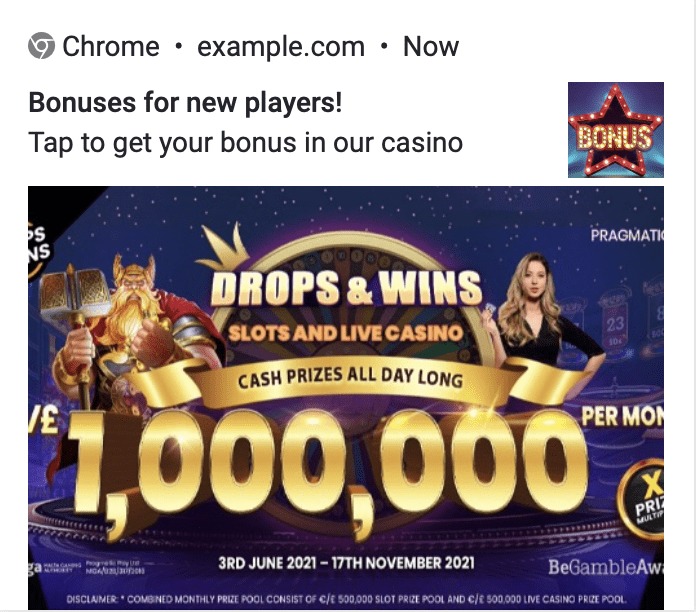
Your creatives must focus on large jackpot figures, recent winner stories, and phrases like “your chance to win” or “next big payout.” Also, do not forget to include trust signals like “fast payouts” or “licensed casino” in your ads, as this improves reliability.
Social Interaction
Social interaction has become one of the most important drivers of casino player motivations, especially in modern environments. Online casinos attract people with:
- live dealer games;
- chat features;
- multiplayer tournaments.
Research shows that entire player segments known as group experience seekers are primarily motivated by social environments rather than gambling itself. Additionally, 85% of players believe casinos provide broader social value, including dining and entertainment options.
Your creatives should highlight community and shared experience.
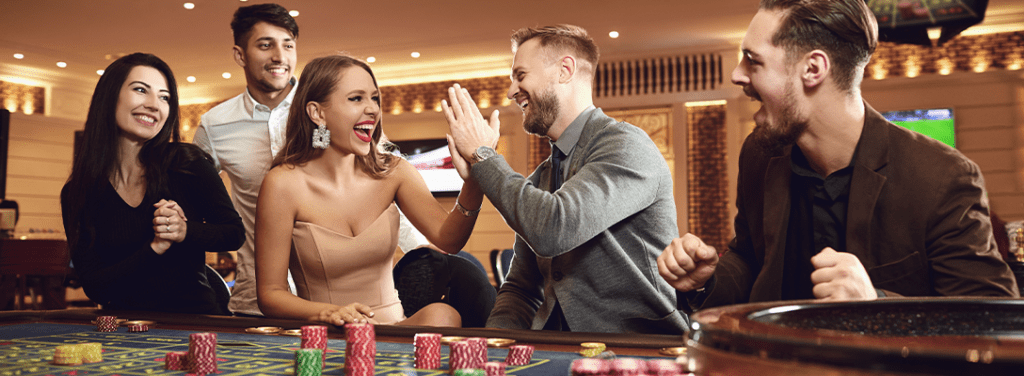
Instead of focusing solely on gameplay, media buyers should use messaging like “join thousands of players,” “play live with real dealers,” or “experience the casino vibe.” Visuals should include people, interaction, and atmosphere rather than just game interfaces.
Competition and Status
Competition is a major driver. Players are motivated by recognition, rankings, and progression systems. Leaderboards, VIP tiers, and achievements create a sense of status and accomplishment.Gamification significantly increases retention, with platforms achieving 75% retention rates versus 50% without gamification, alongside up to 30% revenue growth.
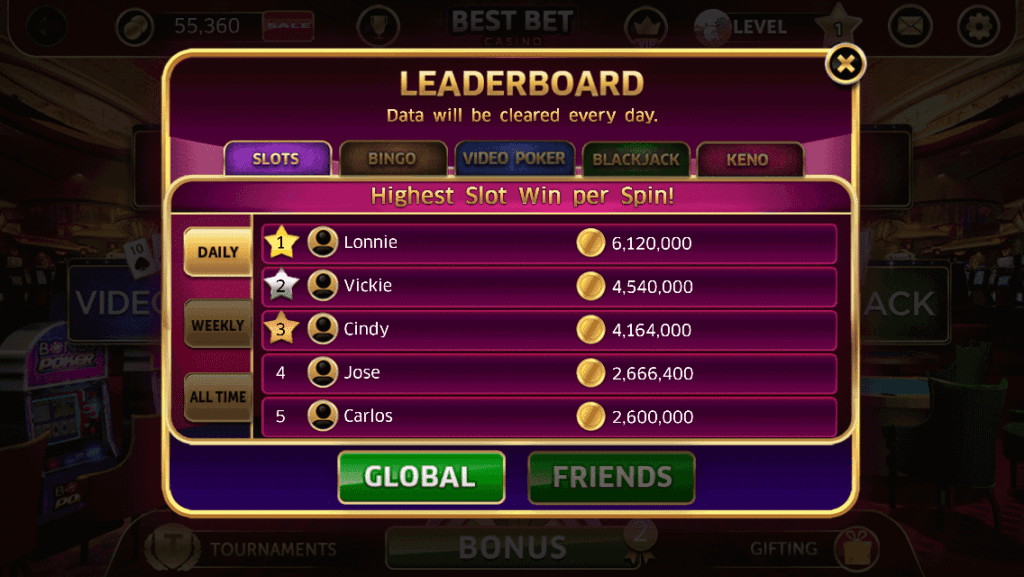
Affiliate messaging should focus on status and progression.
Effective phrases include “climb the leaderboard,” “unlock VIP rewards,” or “become a top player.” Creatives should visually reinforce hierarchy with elements like tiers, badges, and elite experiences. This approach works particularly well for high-value and returning users.
Convenience and Accessibility
Convenience has become one of the dominant motivations in gamblers, especially with the rise of mobile gambling. Players now expect instant access, fast onboarding, and seamless transactions.
Online casinos enable:
- 24/7 gameplay;
- Low entry stakes (as low as $0.05 compared to $5 offline);
- Short and repeatable sessions.
This works the same way people become attached to social media and mobile gaming.
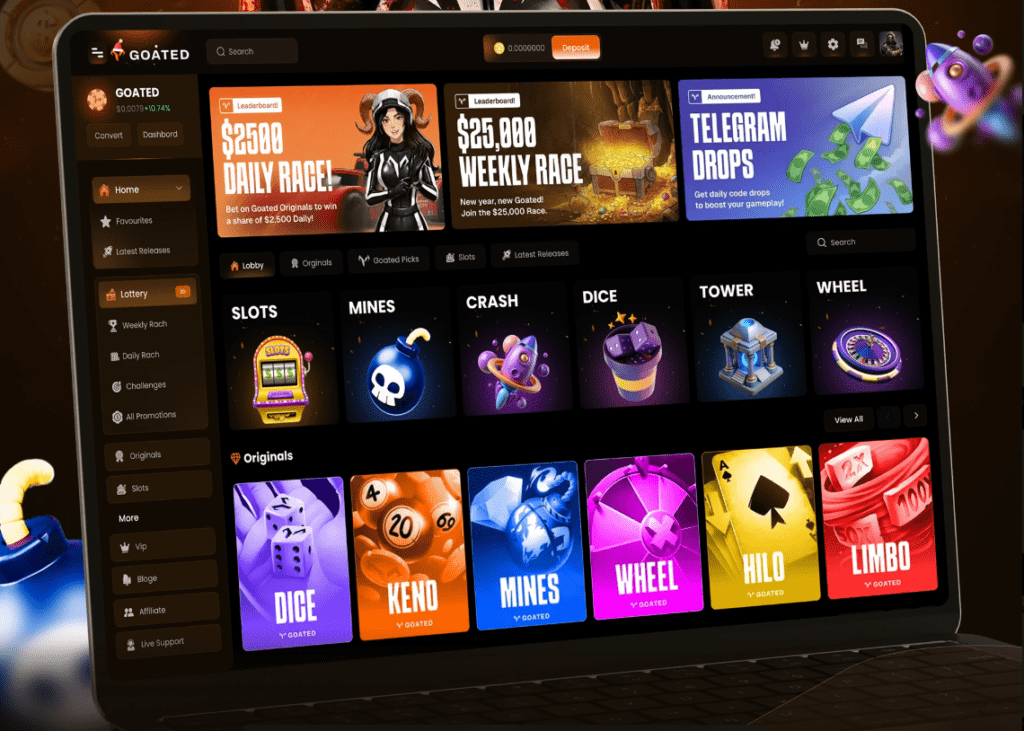
Your creatives should reduce perceived friction. Messaging should emphasize speed and simplicity: “play in seconds,” “no download required,” and “instant withdrawals.” Landing pages should be optimized for mobile-first experiences, as this audience is highly sensitive to UX delays and complexity.
Financial Speculation
A growing segment of players (especially Gen Z and Millennials) approaches gambling as a form of financial speculation. This behavior is influenced by exposure to crypto, trading apps, and high-risk investment culture. Such players are driven by the idea of high returns.
Data shows:
- Millennial debt has increased by 21%;
- Gen Z debt has increased by 99% .
This creates a mindset where gambling is perceived as both opportunity and risk.
For this audience, creatives should position gambling as a strategic opportunity rather than pure entertainment. Messaging like “maximize your chances,” “smart betting starts here,” or “high-risk, high-reward gameplay” performs well.
However, credibility is essential.
You must emphasize transparency, RTP rates, and fair play to align with their expectations.
How Gamblers Choose Casinos
Casino selection is influenced by a mix of emotional and practical factors.
Players evaluate platforms based on trust, experience, and perceived value.
Key drivers include:
- Convenience vs. immersive experience;
- Game variety;
- Payment speed and transparency.
Player behavior in this stage is highly sensitive to first impressions and perceived reliability.
Media buyers should focus on comparison-style and trust-driven content.
High-performing formats include “top casinos,” “best payout sites,” and “fast withdrawal platforms.” You will improve your conversions if you state clear benefits and provide verified reviews.
Generational Differences in Casino Player Behavior
Different generations exhibit distinct behaviors, motivations, and triggers. You will have to understand these differences to improve the targeting of your ads and optimize ad creatives.
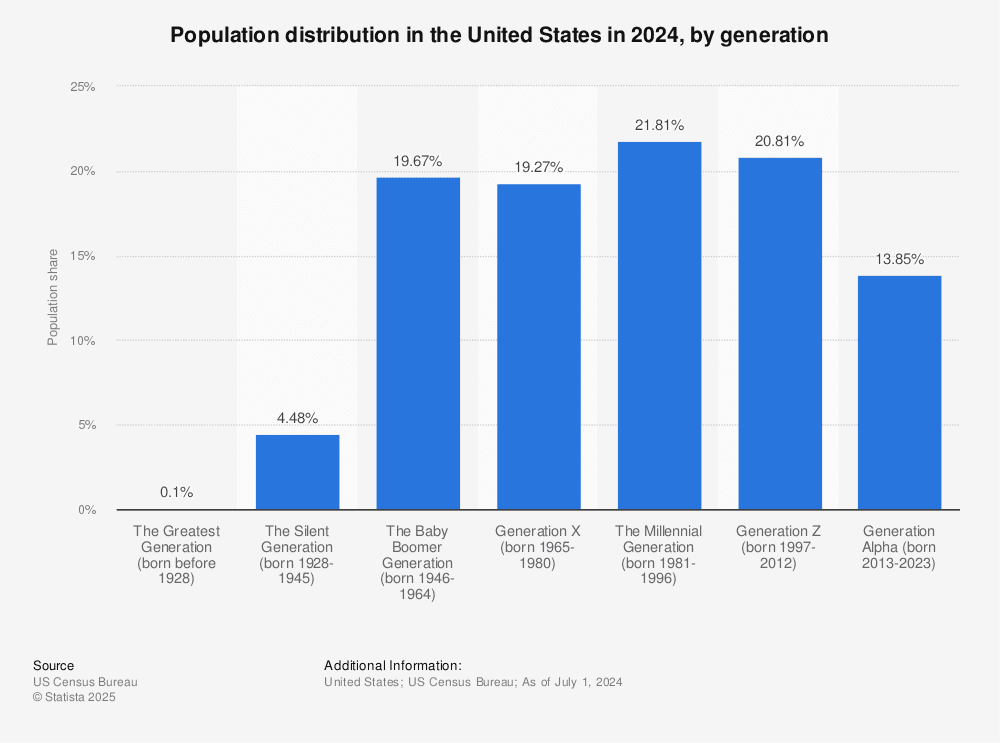
Baby Boomers
Baby Boomers prefer traditional casino experiences.
They value familiarity, trust, and social interaction in physical environments. Their behavior is characterized by longer sessions and a preference for classic games. Moreover, they are less responsive to aggressive digital marketing and more influenced by credibility and comfort.
Creatives should emphasize trust, tradition, and ease of use. Messaging like “classic casino experience,” “trusted platform,” or “simple gameplay” works best. Clean design, clear instructions, and minimal complexity are a must-have for this audience.
Millennials
Millennials represent a hybrid audience that values both convenience and experience. They are highly influenced by lifestyle factors and expect more than just gambling. Their decision-making is experience-driven, as they often perceive iGaming as a form of entertainment.
They respond strongly to:
- Events;
- Gamification;
- Social environments.
Creatives should combine entertainment and functionality. Messaging like “play, relax, and win” or “casino lifestyle” performs well. Visuals should include lifestyle elements like music, events, and premium environments rather than just gameplay.
Gen Z
Gen Z is a mobile-first, digital-native audience. Their behavior is shaped by gaming culture, social media, and instant gratification. They prefer:
- Short sessions;
- Gamified systems;
- Interactive features.
They are also more open to crypto and emerging technologies.
As Gen Z is prone to overstimulation, your creatives must be fast, visual, and interactive. Short-form video, dynamic banners, and gamified messaging (“level up,” “unlock rewards”) are highly effective. Traditional static ads perform poorly with this segment.
Future Trends in iGaming Marketing Using Psychology
The future of gambling marketing will be driven by deeper integration of psychology and technology:
- AI-driven personalization will enable real-time adaptation of offers and interfaces. Gamification will continue to evolve, turning gambling into structured progression systems.
- Transparency will become a key differentiator, especially as players demand clarity around bonuses and wagering requirements, something that 70% currently fail to understand.
- Immersive technologies like VR and AR will further enhance engagement, as they’re expected to reach a $1.351 billion market by 2035.
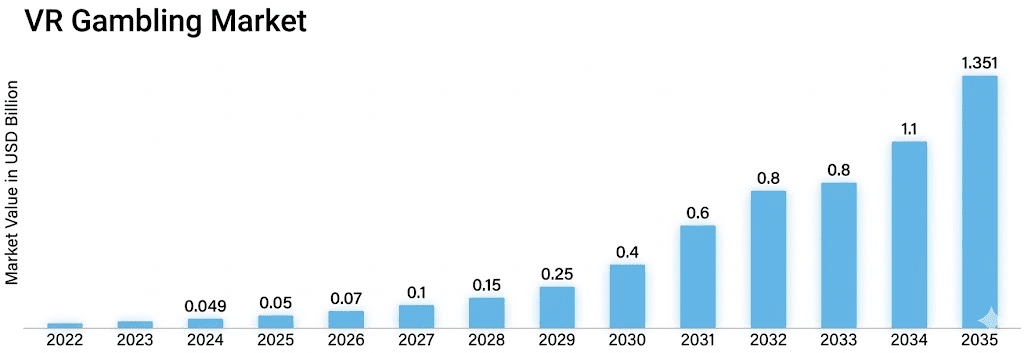
That’s why you should focus on personalization and dynamic content. Static and generic creatives will underperform. Instead, segmentation, AI-driven targeting, and adaptive messaging will become essential for maintaining relevance and conversion rates.
Summary
iGaming player behavior is driven by a combination of motivations, psychological triggers, and technological influences. Winning money may attract players, but long-term engagement is shaped by emotional, social, and experiential factors.
The key takeaway for affiliate marketers is clear: success depends on aligning creatives with specific player motivations. Whether targeting excitement, convenience, or status, the most effective campaigns are those that reflect how players actually think and behave, not just what they say they want.

Ksenia has extensive hands-on experience in affiliate marketing, having worked as a media buyer and affiliate for several years across multiple verticals. Throughout her career, she managed traffic from a wide range of sources, tested funnels, and collaborated directly with advertisers and networks.
For the past six years, she has also been writing in-depth articles, reviews, and analytical guides about affiliate marketing. Her work has appeared on well-known industry blogs and platforms, where she covers topics such as traffic sources, compliance, creatives, tracking, and campaign optimization.
Today, Ksenia combines practical experience with editorial expertise, contributing as a guest expert to various affiliate marketing projects and helping educate both beginners and experienced affiliates.

Ratmir started his copywriting career back in 2016. He is now editor-in-chief with an MA with Honors in Linguistics.
His primary expertise is in affiliate marketing, EdTech, education, IT, and sports.
Ratmir specializes in content marketing, content management, proofreading, and translation.