Artificial intelligence has quickly evolved from a supporting tool into the core infrastructure of modern iGaming platforms. In 2026, the industry operates on what analysts call an “intelligence-first architecture,” where AI orchestrates everything from player acquisition to fraud prevention.
In the article we describe how AI machines already take over verifications, betting calculations, and instant support. You will learn what the result is for business. Read on for more!
- Key Takeaways
- What Is AI in iGaming?
- Benefits of AI in iGaming
- Hyper-Personalized Player Experiences
- Predictive Retention & Churn Reduction
- Dynamic Odds & Risk Management
- Fraud, AML & Bot Detection
- 24/7 AI Chat & Voice Support
- Operational Cost Optimization
- What is AI in Sports Betting?
- Core AI Use Cases in iGaming
- Personalized Game and Bonus Recommendations
- Real-time Odds Adjustment & In-Play Betting
- Smart Loyalty Programs & Missions
- Problem-Gambling Detection & Safe-Play Interventions
- Synthetic Content Creation: Slots, Narratives, Marketing Copy
- Vision-Based Table-Game Automation & Live-Dealer Integrity
- AI-Driven Affiliate & Ad-Spend Optimization
- Real-World Examples & Mini Case Studies
- Mindway AI & Playtech BetBuddy: Responsible Gaming
- Future Anthem: Personalization & Retention
- Sportradar Alpha Odds: Automated Trading
- ServisBOT & Intouch Games: Automated Support
- Narrativa & Synalogik: Operations & Compliance
- Future Trends of AI in iGaming for 2026
- Generative AI Content & Narratives
- Edge AI for VR/AR Casino Experiences
- Real-time Regulatory Reporting & Explainable AI (XAI)
- Cross-Channel AI Loyalty Programs
- Prediction-Market Integration & New Wagering Formats
- Summary
Key Takeaways
- AI powers up to 85% of operational workflows, from support to fraud detection;
- Hyper-personalization increases retention by 10-35% and boosts engagement by up to 30%;
- AI-driven support resolves up to 85% of user queries instantly;
- Operators reduce operational costs by 25-30% through automation;
- AI detects problem gambling 3-8 weeks earlier than traditional systems;
- Generative AI cuts marketing production time by 40%+;
- AI odds engines improve trading efficiency by 11%.
What Is AI in iGaming?
In the early days of digital gambling, AI was used as a basic plug-in for specific tasks like fraud detection and similar activities. Now the industry moved to AI orchestrations. This means instead of separate tools for marketing and security, a central “AI brain” manages the entire player lifecycle.
Such growth is proven by the current state of the global online gambling market, which reached $123 billion in 2026. This is mostly due to AI-driven automation, personalization, and real-time decision-making as the primary growth drivers.

This ecosystem uses real-time data to make autonomous decisions like instantly adjusting a player’s betting limits based on behavioral risk or generating a custom landing page in a local language the second a user clicks an ad. Where else they use AI in iGaming:
| Feature | AI Function | Benefit |
| Player Onboarding | Biometric matching and automated document OCR | Replaces manual identity checks with near-instant verification. |
| Anti-Fraud | Multi-account detection and pattern recognition | Prevents bonus abuse and identifies professional “hunters” automatically. |
| Payment Processing | Predictive risk modeling and automated approval | Eliminates transaction bottlenecks and reduces player wait times. |
| Responsible Gaming | Behavioral analysis and “tilt” detection | Identifies problematic gambling habits before they escalate. |
| Content Marketing | Generative localization and keyword optimization | Produces multi-language landing pages and ads at scale. |
| Traffic Acquisition | Real-time source auditing and LTV prediction | Automatically filters out low-quality players and high-risk traffic sources. |
| Player Retention | Predictive churn modeling | Triggers personalized incentives to keep players engaged. |
Using AI in iGaming helps you reduce acquisition costs and shorten the advertising payback cycle. By replacing manual routines with automated neural networks, you can reduce overhead while gaining the critical flexibility needed to compete in modern gambling.
Benefits of AI in iGaming
Let’s take a look at the key benefits of AI in iGaming.
Hyper-Personalized Player Experiences
Machine learning analyzes hundreds of behavioral signals to offer highly targeted propositions. AI builds a detailed profile of each player to predict the ideal offer, whether it is a high-volatility slot, a specific sports derby, or a match-day promotion.
The system also optimizes bonuses, calculating the perfect cashback percentage to maintain profitability without risking overdrafts. By pushing a user’s favorite game at the right time, AI increases lifetime value (LTV) and boosts the average transaction size.
Predictive Retention & Churn Reduction
Integrated churn prediction models analyze behavior to intervene at critical moments.
By monitoring deposit frequency, declining average bets, and losing streaks, the AI identifies high-risk players before they leave.
The system then triggers automated retention efforts, such as emotional incentives or free spins, to restore a positive attitude toward the platform. Managers can monitor these efforts via dashboards tracking:
- The probability of churn by segment;
- Actionable recommendations for bonuses or VIP invitations;
- Automated re-engagement chains.
Read also: how casino providers help affiliates make money in 2026.
Dynamic Odds & Risk Management
In sports betting, odds fluctuate by the minute. AI models update prices in real-time by accounting for incoming bet volume, live match statistics, and risk limits. If betting volume exceeds expectations, the AI automatically adjusts margins to balance the book.
Simultaneously, AI ranks users by risk profile and can automatically lower betting limits for suspicious accounts. For jackpots, it evaluates drop probabilities and regulates contributions to maintain target KPIs.
Fraud, AML & Bot Detection
AI identifies unique digital fingerprints through device data, IP addresses, and even cursor movement. This allows the system to detect multi-accounting and scripting bots in milliseconds.
Algorithms also detect anomalous withdrawal patterns typical of money laundering. These cases are flagged for the AML department, where computer vision verifies selfies against passports to authenticate documents, resulting in instant blocks for fraudulent activity.
However, many users work with antidetect browsers to prevent being flagged by AI systems.
24/7 AI Chat & Voice Support
LLM-based chatbots understand context and handle inquiries in over 20 languages. They resolve routine questions regarding withdrawals or bonus activations instantly. For VIP players, real-time speech synthesis can provide human-like voice support that adapts to the user’s emotions.
As a result, over 80% of support tickets are resolved without human intervention. This reduces wait times to seconds and significantly improves customer satisfaction scores.
Operational Cost Optimization
AI automates back-office processes such as commission calculations, compliance verification, and SEO content generation. ML algorithms also predict peak server loads, scaling infrastructure to prevent site crashes. On average, operators can save 25-30% on operational costs. These savings can then be reinvested into marketing or acquiring new gaming licenses.
What is AI in Sports Betting?
Artificial intelligence in sports betting is used to process huge amounts of data and analyze:
- Historical events;
- Matches;
- Odds;
- Athlete health;
- Game results, and more.
All this helps operators create relevant odds and promote proper offers in their ads.
AI integration allows sportsbooks to manage massive data volumes with precision, ensuring both efficiency and a better user experience through the following functions:
- Dynamic odds & limit setting: machine learning (ML) models handle coefficient formation by automatically calculating odds and setting betting limits, especially in markets where human analysts may lack deep historical expertise;
- Real-time “live bet” calibration: during high-velocity gameplay, AI instantly adjusts “total” coefficients and spreads to reflect the current pace, ensuring the house margin remains protected even when the game moves faster than a manual operator could track;
- Advanced fraud detection: by scanning millions of transactions in real-time, the system identifies anomalies such as syndicate betting, where multiple accounts place identical large wagers simultaneously, flagging potential match-fixing or bonus abuse;
- Hyper-personalization: the platform utilizes player data (betting history, preferred leagues, and peak activity times) to deliver tailored promotions and recommendations, increasing engagement through relevance.
Let’s take a look at the pros and cons of AI in sports betting.
| Pros | Cons |
| Stable margins: more accurate odds lead to consistent profitability for bookmakers. | Black box complexity: difficult to verify the logic behind a model’s specific decision or find errors. |
| Operational agility: automation replaces dozens of specialists, significantly lowering labor costs. | Unpredictable externalities: unexpected events (like match cancellations) can break automated forecasts. |
| Enhanced UX: players enjoy fairer pricing, instant payouts, and hyper-relevant content. | Data dependency: high risk of losing operational control if a platform becomes overly dependent on a single AI provider. |
| Security savings: automated fraud detection protects budgets without requiring massive security teams. | Algorithmic bias: potential for models to misidentify legitimate players as high-risk if data is skewed. |
Core AI Use Cases in iGaming
Now let’s take a look at the main use cases of artificial intelligence in gambling.
Personalized Game and Bonus Recommendations
Filtering algorithms and content-based AI models analyze extensive user metrics, including betting history, session frequency, and genre preferences. Based on this data, the AI ranks game cards to display the most relevant options.
For instance, book slot fans are presented with titles like Book of Ra Deluxe 10, while crash-game fans see Aviator or trending memes. This targeted approach increases average revenue per user (ARPU) and shortens the time to the first deposit.
The system also calculates the probability of a deposit occurring without a bonus. Identifying these opportunities helps operators increase lifetime value and reduce bonus expenses by offering non-incentivized engagement.
Real-time Odds Adjustment & In-Play Betting
Machine learning in iGaming processes streaming match data to update coefficients every 0.5 seconds, accounting for ball possession, injuries, and expected goals ($xG$). If bets lean too heavily on a favorite, the model automatically adjusts margins to balance the book.
These tools provide players with fair quotes while protecting the operator’s bottom line. This precision allows bookmakers to reduce losses and confidently offer odds on niche leagues.
Smart Loyalty Programs & Missions
Algorithms predict which specific missions will drive the highest engagement for individual players. Rewards are calculated dynamically. For example, VIPs receive access to exclusive events, while casual players are directed toward guaranteed-prize tournaments.
AI updates these missions daily and displays progress in real time. This gamification triggers higher involvement, increasing both the average number of sessions and net gaming revenue. You can see how many casinos use Telegram apps for gamification and player retention.
Problem-Gambling Detection & Safe-Play Interventions
ML models identify signs of problematic gambling like chasing losses with increased bets, late-night marathons without breaks, and frequent deposits. When these patterns emerge, the AI suggests self-imposed limits or a 24-hour cooling-off period.
In high-risk cases, the system alerts the responsible gaming team for manual intervention. This proactive technology reduces self-exclusion rates and builds trust through enhanced player protection.
Synthetic Content Creation: Slots, Narratives, Marketing Copy
Generative models allow casinos to test new themes across different regions without massive budgets. AI can generate SEO-optimized pages and localized banners in days rather than weeks. Affiliate marketers use AI for rapid A/B testing of headlines and offers. This automated approach consistently delivers higher click-through rates compared to manual creative processes.
Vision-Based Table-Game Automation & Live-Dealer Integrity
Computer vision eliminates human error and fraud in live dealer settings. The system recognizes card values, ensures proper folding, and cross-references the physical table state with the digital game engine.
Simultaneously, the AI monitors dealer behavior for unusual gestures or irregularities. This reduces payout disputes and speeds up game rounds, leading to a smoother experience for players.
AI-Driven Affiliate & Ad-Spend Optimization
ML models track the user journey from the initial banner click to the first deposit. By evaluating the projected LTV of these users, the AI automatically redistributes budgets toward sources with the highest ROI. The system identifies “dead traffic” and flags low-value or fraudulent sources for blacklisting.
This optimization reduces cost per order and ensures a higher concentration of quality players in the traffic mix.
Real-World Examples & Mini Case Studies
By implementing AI, iGaming operators reduce manual labor costs in support and content creation while simultaneously boosting LTV. Players benefit from faster responses, personalized offers, and timely safety interventions. Let’s see how real-world casinos use this technology for their profits.
Mindway AI & Playtech BetBuddy: Responsible Gaming
Mindway AI’s GameScanner uses artificial intelligence to monitor player behavior in real time, flagging at-risk players for the Responsible Gaming office. This preventative approach lowers problem gambling rates and reduces regulatory penalties.

Similarly, Playtech BetBuddy employs machine learning to predict which users are entering the red zone. The system can automatically limit deposits or send self-control prompts, reducing chargebacks and strengthening brand reputation.
Future Anthem: Personalization & Retention
Future Anthem’s Amplifier AI builds player profiles to deliver tailored bonuses or game recommendations within seconds. This level of personalization can retain up to 80% of players, encouraging them to continue playing with real money.
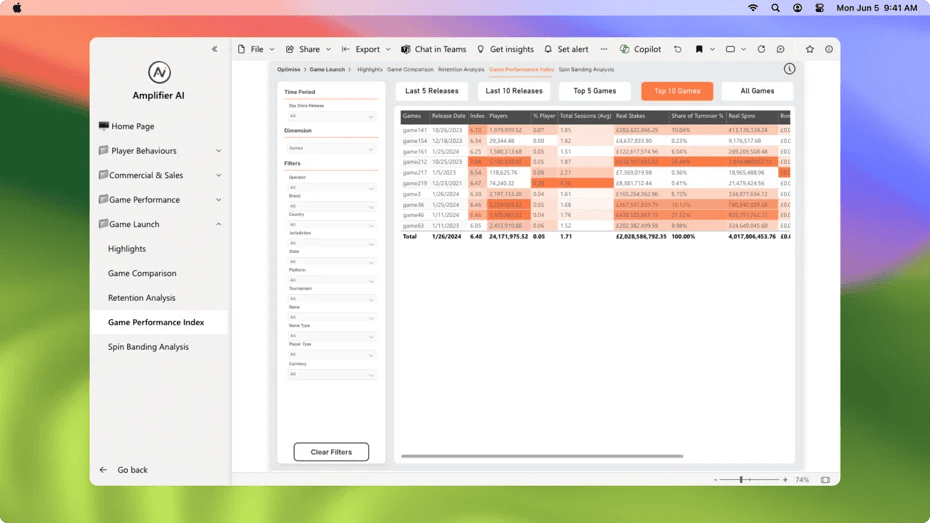
Operators using this technology see a more predictable revenue stream and increased lifetime value. They increase retention while drastically cutting marketing expenses by excluding generic sweep promotions.
Sportradar Alpha Odds: Automated Trading
The Alpha Odds solution recalculates betting lines in milliseconds, allowing bookmakers to maintain live markets for all events. Operators using this tool have reported an 11% increase in trading efficiency compared to traditional pricing methods.

The system integrates data from five independent providers to ensure continuous uptime. It also powers “Instant Buy” features with half-second updates, increasing user engagement and improving operator margins per ticket.
ServisBOT & Intouch Games: Automated Support
At Intouch Games, a single ServisBOT instance services seven brands simultaneously, resolving 28% of all inquiries without human intervention. The bot handles routine requests regarding bonuses, account verification, and KYC processes.

This automation offloads high-volume, low-complexity tasks from live agents. As a result, support teams can focus on complex issues, reducing overhead and improving response times across the board.
Narrativa & Synalogik: Operations & Compliance
The Narrativa LLM platform generates up to 10 million words monthly, including SEO slot descriptions and sports digests. This automated content creation keeps players engaged and drives re-betting without the need for massive copywriting teams.
For compliance, Synalogik Scout automates KYC and AML checks by aggregating databases and transaction history. This tool automates onboarding and enhanced due diligence, saving companies up to 85% of the time usually spent on manual analysis.
Future Trends of AI in iGaming for 2026
The market is constantly growing, so the gambling operators who leverage modern technologies will achieve the highest profits. Let’s take a look at the current market predictions.
Generative AI Content & Narratives
Operators are increasingly replacing manual graphic design and lore-writing with artificial intelligence. Significant capital backs this shift. In Q4 2024 alone, startups in this space attracted $315 million in investment, signaling a massive demand for automated, high-speed content production.
Edge AI for VR/AR Casino Experiences
Immersive VR rooms are becoming a key driver for user loyalty. Edge AI allows platforms to process data locally, improving privacy and lowering latency. These 3D environments and AI-driven live dealers offer an experience that now rivals physical casinos.
Real-time Regulatory Reporting & Explainable AI (XAI)
Machine learning models are simplifying the complex task of automatic regulatory reporting, drastically reducing the risk of fines. Transparency is becoming mandatory. Current legal reviews indicate that explainable AI is now essential for maintaining licenses in highly regulated markets like the US and Europe.
Cross-Channel AI Loyalty Programs
Modern AI-CRM systems now merge betting history with social gaming missions to create a unified ecosystem. For example, programs like Hard Rock’s Unity convert slot play into dynamic pricing and sportsbook bonuses, ensuring the user remains engaged across the entire brand portfolio.
Prediction-Market Integration & New Wagering Formats
Decentralized prediction platforms are emerging as a viable alternative to traditional sportsbooks. AI-driven pricing and smart contracts are opening global access to these formats, allowing for more flexible and transparent wagering on non-sporting events.
Learn more: how to promote your application in restricted niches.
Summary
This year, AI is the foundational element for scaling iGaming platforms. Operators who automate personalization, risk management, and support are seeing significant savings and higher retention. Those who delay implementation will likely struggle to regain market share from more agile, AI-integrated competitors. Which side will your business be on?

Ksenia has extensive hands-on experience in affiliate marketing, having worked as a media buyer and affiliate for several years across multiple verticals. Throughout her career, she managed traffic from a wide range of sources, tested funnels, and collaborated directly with advertisers and networks.
For the past six years, she has also been writing in-depth articles, reviews, and analytical guides about affiliate marketing. Her work has appeared on well-known industry blogs and platforms, where she covers topics such as traffic sources, compliance, creatives, tracking, and campaign optimization.
Today, Ksenia combines practical experience with editorial expertise, contributing as a guest expert to various affiliate marketing projects and helping educate both beginners and experienced affiliates.

Ratmir started his copywriting career back in 2016. He is now editor-in-chief with an MA with Honors in Linguistics.
His primary expertise is in affiliate marketing, EdTech, education, IT, and sports.
Ratmir specializes in content marketing, content management, proofreading, and translation.