
South Korea remains one of the most attractive GEOs in the global iGaming system, although it is commonly misunderstood by affiliate marketers. Its online gambling market was evaluated at over $9 billion in 2024 and is expected to grow consistently over the following years.
Marketing in Korea differs from the European and American approaches, so many media buyers avoid working with it due to their lack of knowledge. It’s an entirely different culture with unique expectations and requirements for affiliates. However, if you manage to work here, you’ll reap all possible benefits.
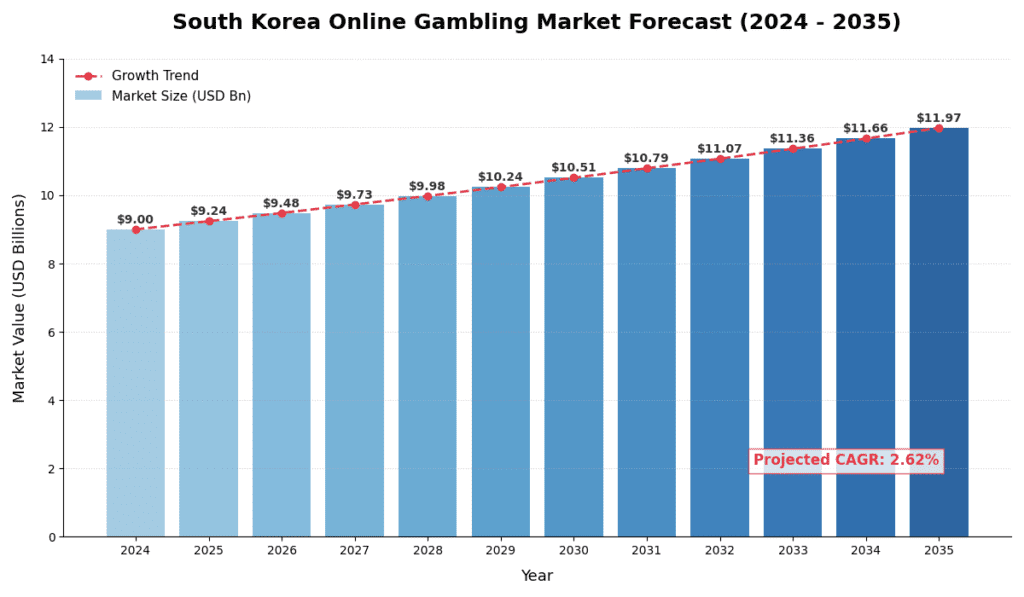
Our editorial team at AffDays gathered everything you need to know about marketing and gambling in Korea. You’ll learn about the legal restrictions, effective traffic sources, user psychology, and more.
Read on to stay updated on the best practices in iGaming marketing for South Korea!
- Key Takeaways: South Korea Geo for Affiliate Marketing
- Is Gambling Legal in South Korea?
- Why Online Gambling Thrives in South Korea
- Best Traffic Sources in South Korea in 2026
- 1. Naver: Korea’s Native Search Giant
- 2. Google Korea: The “Offshore Intent” Channel
- 3. KakaoTalk: Retention & Trust Layer
- 4. Telegram Ads & Push Networks
- Player Psychology: What Actually Converts in Korea
- Trust Over Aggression: Soft Selling Strategies
- Community Validation: The Power of Social Proof
- Frictionless Experience: Speed and Simplicity Matter
- Most Profitable Verticals in South Korea for iGaming
- Sports Betting
- Casino (Slots & Live-Casino)
- Crypto Casinos
- Esports Betting
- Examples of Gambling Ad Creatives in South Korea
- Example #1
- Example #2
- Example #3
- Example #4
- iGaming in Korea: Case-Study
- Summary
Key Takeaways: South Korea Geo for Affiliate Marketing
The Republic of Korea is a Tier 2 country that combines a digitally mature population with strong purchasing power and a deeply ingrained gaming culture. While the population exceeds 50 million people, there are 69.2 million cellular mobile connections (134% of the total population).
This means that there’s a high degree of smartphone adoption, with users accustomed to digital services, real-time transactions, and seamless UX. Consequently, you’ll have to focus on a mobile-first environment with fast and frictionless funnels.
52% of people pay for games, and the per-person gaming spend exceeds $450 (with the Asia-Pacific average being $154 in 2025). That’s why you might want to focus on RevShare models when working with this country. The sheet below shares more important information.
| Category | Detail |
| Official Language | Korean (Hangul). Note: Content should use “Standard Language” (Seoul dialect). |
| English Proficiency | Moderate. While common in business, localized copy is mandatory for high-converting ads. |
| Local Currency | South Korean Won (KRW / ₩). |
| Exchange Rate | $1 USD ≈ $1,511 KRW. |
| Average Salary | $2620 USD in 2026. |
Player lifetime value is strong, especially in verticals like baccarat, sports betting, and increasingly esports. However, monetization is tightly linked to trust and user experience, meaning raw traffic alone does not guarantee profitability.
Is Gambling Legal in South Korea?
Gambling in South Korea is largely illegal for local citizens, making it one of the most restrictive regulatory environments in the industry. The National Gambling Control Commission explicitly prohibits:
- Lotteries;
- Online casinos;
- Sports betting outside state systems.
The government also applies extraterritorial enforcement, meaning citizens can be prosecuted even if they gamble on platforms hosted in countries where online gambling is legal. Officially, the only legal options available to Korean citizens are:
- A single land-based casino (Kangwon Land) open to locals
- State-controlled betting products such as Sports Toto (sports pools) and limited lotteries.
Kelsey Wilhelm, iGaming journalist specializing in the Asian market, indicates that around 5,000 people were arrested in 2025 for illegal gambling. However, this mostly included operators of casinos and related websites, not only regular citizens.
Read more: how to promote iGaming offers in heavily regulated environments.
Why Online Gambling Thrives in South Korea
Despite strict laws, South Korea remains a leading Asian country in the iGaming market. The growth is created by a combination of user demand, technological workarounds, and ecosystem-level adaptation.
The primary reason is high demand for quality websites.
State-regulated options like Sports Toto are widely viewed as unattractive due to:
- Low odds;
- Betting limits;
- Limited market variety.
As a result, a large share of users migrate to offshore platforms offering:
- Better payouts;
- More betting markets;
- Live casino experiences.
Another enabler of the underground market is cryptocurrency. The typical user flow looks like this:
- Purchase crypto via local exchanges
- Transfer to private wallets
- Deposit into offshore platforms
This reduces traceability compared to traditional banking methods and aligns with user demand for privacy when there’s a legal risk. And while authorities actively block known gambling domains, regional operators and webmasters know how to keep on working:
- Rotate domains frequently;
- Use mirror sites;
- Deploy cloaking systems.
Considering the legal restrictions and high digital proficiency of the locals, affiliate marketers have to use multi-step funnels designed to protect both operators and players. Entry typically starts via content, social media, or influencer mentions. Potential players are then redirected to private channels like messaging apps and bots, where they receive access to mirror domains.
Best Traffic Sources in South Korea in 2026
Let’s take a look at the key traffic sources for the Korean market.
1. Naver: Korea’s Native Search Giant
Naver is the primary discovery engine in South Korea, functioning less like a traditional search engine and more like a closed content ecosystem. It captured 62.86% of traffic on the South Korean market, making it more popular than Google.
Instead of ranking separate websites based on backlinks and authority, Naver prioritizes its internal products like blogs, Q&A (Knowledge iN), and community forums (Cafes). This makes it a powerful but non-standard traffic source for affiliates.
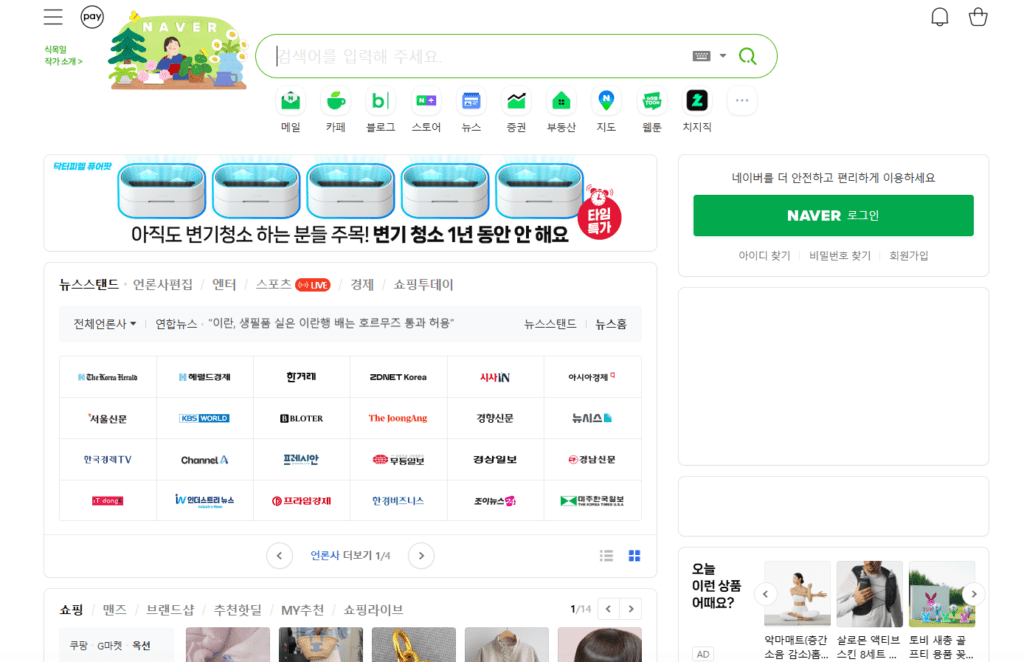
It is popular because Korean users trust peer-generated content and rely heavily on comparisons, reviews, and community discussions before making decisions. For iGaming, users often search for verification queries, recommendations, and “safe site” discussions rather than direct brand terms.
To use Naver effectively, affiliates must localize content deeply:
- Create and maintain multiple Naver blogs with consistent posting;
- Seed discussions in Cafes using native-style accounts;
- Blend promotional messaging into informational or review-style content.
The main risk lies in moderation and account bans. Naver actively removes overtly promotional or suspicious content, and scaling requires volume, aging accounts, and careful linguistic adaptation. Poor localization or aggressive linking will quickly lead to content takedowns.
2. Google Korea: The “Offshore Intent” Channel
While Naver dominates locally, Google Korea has become increasingly important for affiliate marketers targeting high-intent users. It is commonly used by users searching for uncensored and offshore information, especially in niches restricted on domestic platforms like gambling.
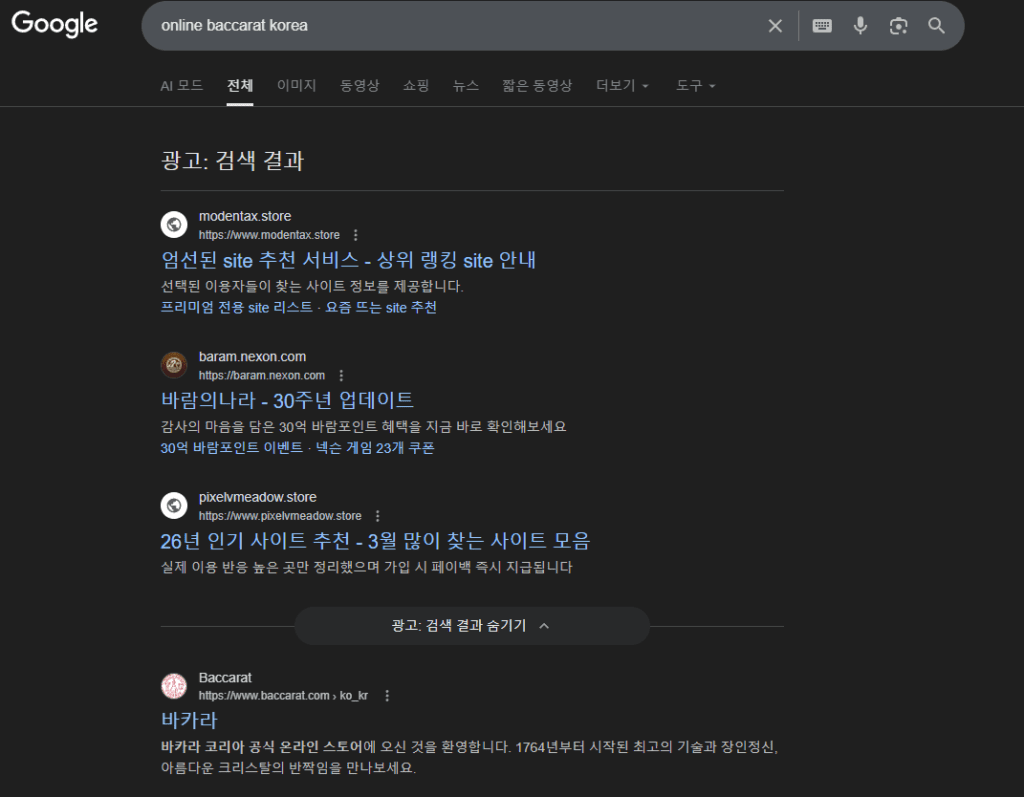
Google is popular because it is perceived as a neutral body with broader indexing. Users searching for terms like “safe baccarat site” or verification-related queries typically turn to Google when Naver results feel filtered or incomplete. Affiliates can leverage Google through:
- Long-tail SEO strategies targeting intent-driven queries;
- Parasite SEO (publishing on high-authority platforms like Medium or forums);
- Building niche content sites with strong E-E-A-T signals.
However, risks are significant. Gambling content is heavily scrutinized, and domains can be deindexed or penalized. Paid ads are extremely restricted, meaning most scaling must happen organically. Additionally, competition for high-value keywords is increasing, making content quality and backlink strategies crucial.
3. KakaoTalk: Retention & Trust Layer
KakaoTalk is South Korea’s dominant messaging app, used by nearly the entire population. Unlike Western markets where email or SMS plays a role, KakaoTalk is the primary communication channel for both personal and business interactions. It had over 50 million active users in 2025.
Its popularity lies in familiarity and trust. Messages received via KakaoTalk feel native and immediate, leading to extremely high open and engagement rates. For affiliates, it is less a traffic source and more a retention and monetization tool.
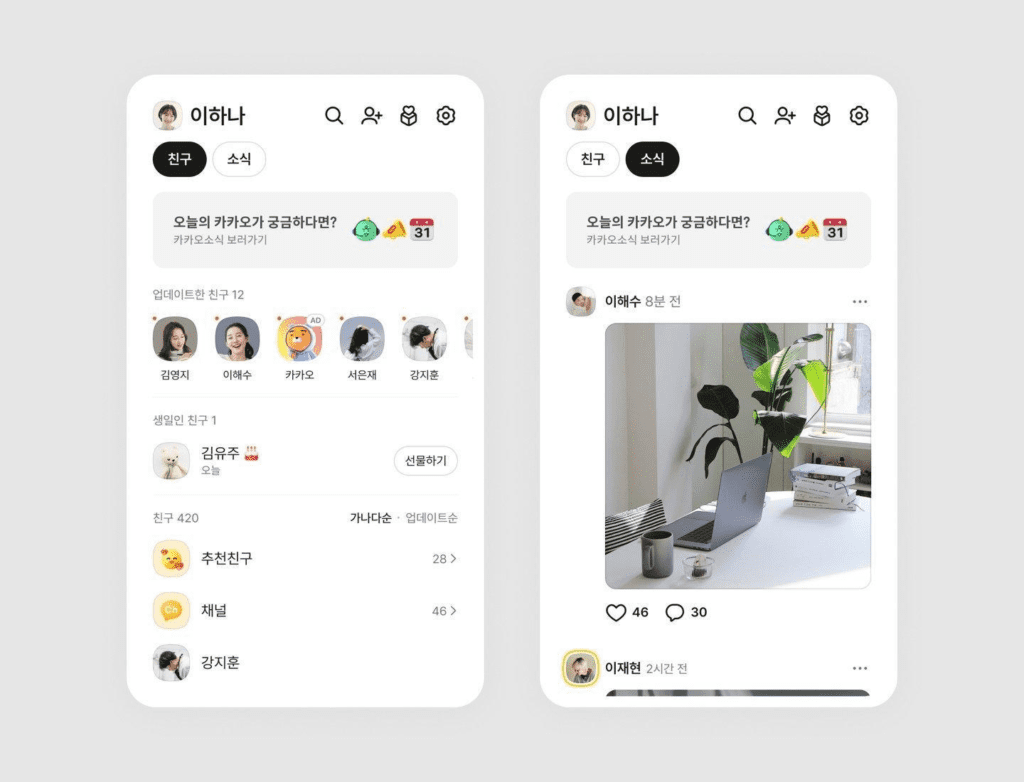
Affiliates use KakaoTalk to:
- Provide customer support and onboarding;
- Build private communities of players;
- Share updates, promotions, and new links.
The biggest risk is compliance. As a domestic platform, KakaoTalk is subject to monitoring and regulation. Direct promotion of illegal gambling can lead to channel bans or account suspension. To mitigate this, affiliates rely on soft communication, coded language, and indirect linking strategies.
4. Telegram Ads & Push Networks
Telegram has emerged as one of the most effective acquisition and conversion channels for iGaming affiliates in South Korea. It supports anonymous communication, encrypted interactions, and flexible ad formats that are not available on mainstream platforms.
Its popularity is driven by three factors:
- Privacy and anonymity for users;
- Minimal content restrictions compared to Meta and Google;
- Built-in ecosystem for funnels (bots, channels, mini-apps).
Affiliates use Telegram by:
- Running ads via push networks or Telegram ad platforms;
- Directing users into bots that qualify and convert traffic;
- Hosting mirror links or mini-apps within the Telegram environment.
This allows for aggressive creatives and high-converting funnels.
The most important feature is the ability to use mini-apps as a full-fledged gambling platform in South Korea. While using Telegram as a messenger, users can also launch iGaming apps without restrictions. This allows them to avoid typical bans like in search engines.
However, risks include traffic quality inconsistency and platform instability.
Low-cost traffic can lead to poor retention or fraud, and Telegram channels or bots can still be flagged or banned if abused. Additionally, scaling requires constant optimization of creatives, bot scripts, and audience filtering to maintain profitability.
Player Psychology: What Actually Converts in Korea
If you’re used to working with European and American markets, you’ll have to adapt your strategies accordingly in this geo. Let’s take a look at the key points to consider.
Trust Over Aggression: Soft Selling Strategies
South Korean users are highly skeptical of aggressive advertising, especially in sensitive verticals like gambling. Flashy banners, exaggerated promises, or “instant win” messaging tend to backfire. Instead, trust-based communication performs significantly better.
Players prefer content that feels like a recommendation rather than a pitch: for example, detailed reviews, comparisons, or “experience-based” posts.
This preference is rooted in a broader cultural tendency toward risk aversion and verification. Before engaging, users often look for multiple confirmations that a platform is safe and reliable.
Affiliates who adopt a soft-selling approach focusing on transparency, platform stability, and user experience consistently achieve higher conversion rates. The risk lies in going too subtle, where the value proposition becomes unclear and conversion intent weakens.
Community Validation: The Power of Social Proof
In South Korea, decisions are rarely made in isolation, especially when money is involved.
Users actively seek validation from communities before trying a new platform. This includes reading comments on blogs, browsing discussions in Naver Cafes, and checking user feedback in messaging groups. That’s why it is important to focus on a multi-step strategy.
What makes this powerful is that even indirect mentions can influence behavior. A platform that appears repeatedly in discussions gains perceived legitimacy. Affiliates thrive on this by seeding conversations, creating realistic engagement, and maintaining active comment sections.
However, the risk is authenticity. Korean users are highly perceptive and can quickly identify fabricated or overly coordinated feedback. If a brand appears artificially promoted, trust collapses instantly. Sustainable success requires a balance between guided narratives and organic-looking interaction.
Frictionless Experience: Speed and Simplicity Matter
Korean users are accustomed to highly optimized digital experiences across all services, with everything from payments to mobile apps. As a result, they have very low tolerance for friction. Slow-loading pages and complicated registration processes significantly reduce conversion rates.
Successful funnels are easy: quick access, clear instructions, and minimal steps from entry to deposit. Mobile optimization is especially critical, as most traffic comes from smartphones.
Most Profitable Verticals in South Korea for iGaming
Now let’s take a look at where the money is for affiliate marketing.
Sports Betting
Sports betting remains one of the most attractive verticals in South Korea, especially due to its natural alignment with major international and regional sporting events.
Football (especially European leagues), baseball, and basketball attract consistent attention, with sharp traffic spikes during tournaments and high-profile matches.
This vertical is popular because it feels more “skill-based” compared to pure gambling, making it more socially acceptable. Users often justify participation through analysis, predictions, and statistics, which creates strong engagement loops.
Affiliates typically use this by:
- Building pre-match analysis content and prediction pages;
- Targeting event-based keywords and trends;
- Using real-time updates and odds comparisons.
Traffic and conversions are highly dependent on the sports calendar, making revenue inconsistent. Additionally, competition intensifies during peak events, increasing acquisition costs and reducing margins.
Casino (Slots & Live-Casino)
Slots and live dealer games are a core revenue driver due to high lifetime value per user. Once players are onboarded and retained, they tend to generate consistent deposits over time.
This vertical is popular because of its accessibility and entertainment value. Live casinos increase immersion and retention among Korean players, as they build a social connection with players, which is a lacking component in most Asian countries.
Affiliates approach this vertical by:
- Promoting “top site” rankings and verified platform lists;
- Highlighting bonuses, game variety, and payout speed;
- Using localized content that explains gameplay and features.
But there’s one thing to remember: users are extremely cautious about scams, delayed withdrawals, or rigged games. Any negative signal, even a rumor on Naver, can destroy conversion potential.
Crypto Casinos
Crypto casinos occupy a unique niche within the South Korean market, attracting users who prioritize anonymity, fast transactions, and fewer restrictions. These platforms bypass traditional banking systems, which is a major advantage in a tightly regulated environment.
Their popularity is driven by:
- Instant deposits and withdrawals;
- Reduced verification requirements;
- Perceived independence from local controls.
Affiliates typically target this segment by:
- Emphasizing privacy and ease of use;
- Creating guides on how to deposit using crypto;
- Positioning crypto casinos as “alternative access” options.
Note that the audience is narrower, and there is a knowledge barrier for less tech-savvy users. Volatility in cryptocurrency values can also affect user behavior. That’s why focusing on USDT deposits might be a good idea.
Esports Betting
Esports betting is rapidly growing in South Korea, driven by the country’s deep-rooted gaming culture and global dominance in competitive titles. Games like League of Legends and Valorant attract a younger audience that is already familiar with digital ecosystems.
Its popularity comes from accessibility and relatability. Unlike traditional sports, younger users often understand the mechanics, teams, and players intimately, which increases betting confidence and frequency. And that’s what media buyers monetize.
Affiliates profit in this vertical by:
- Targeting esports-specific communities and forums;
- Creating match previews, odds breakdowns, and team analysis;
- Leveraging influencers or streamers within gaming niches.
The main risk is monetization stability. While traffic is strong, average player value can be lower compared to traditional casino users. Additionally, trends shift quickly depending on game popularity, requiring constant adaptation.
Examples of Gambling Ad Creatives in South Korea
If you want to make money on affiliate marketing in South Korea, you’ll have to understand the most common types of creatives used in this market. Let’s take a look at the best examples.
Example #1
Creatives that show money are a universal tool across all countries. In South Korea, this works particularly well when framed as “proof” rather than exaggeration. Users are drawn to the idea of financial upside, but they are also highly skeptical, so the presentation must feel realistic and not overly flashy.
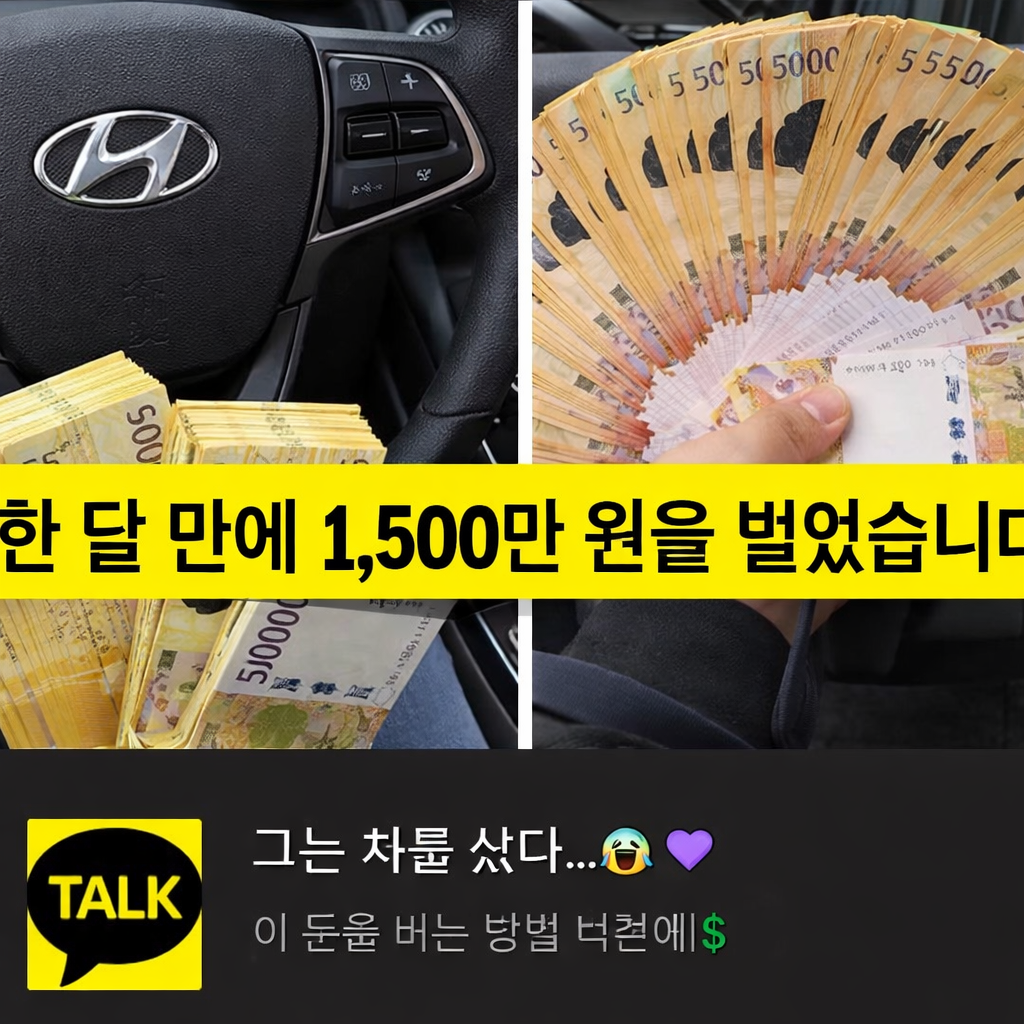
This type of creative is most effective on platforms like Kakotalk, push networks, and offshore landing pages where moderation is less strict. It works best when combined with subtle validation cues such as timestamps, transaction records, and real user framing.
The main risk is credibility. Overly exaggerated visuals or unrealistic amounts can trigger distrust immediately. Additionally, such creatives are more likely to be flagged or banned on stricter platforms, making them harder to scale in Korea.
Example #2
Using attractive women in creatives is a common attention-grabbing tactic, and it remains effective in the South Korean market when applied carefully. These visuals are designed to stop scrolling and create an emotional hook, particularly among younger male audiences.
This approach works best in native-style ads, banners, and social traffic where visual impact matters. Often, the imagery is combined with soft messaging—for example, a “recommendation” or casual introduction to a platform—rather than direct gambling promotion.

However, cultural nuance is critical.
South Korean audiences are sensitive to overly explicit or low-quality imagery, which can damage brand perception. You must also avoid nudity of any kind, as it is considered to be a no-no in this market.
Example #3
This type of creative focuses on storytelling, showing ordinary people engaging with a platform, winning, and enjoying the experience. It works well because it feels relatable and less promotional, aligning with the Korean preference for community validation and indirect persuasion.

These creatives are highly effective across Naver blogs, Google landing pages, and video-based funnels. Instead of emphasizing the platform itself, they highlight the user journey: easy access, smooth gameplay, and positive outcomes. The strength of this approach lies in emotional connection. Users can imagine themselves in the same situation, which increases conversion intent.
Example #4
Celebrity-based creatives leverage authority and recognition to build immediate trust. In South Korea, where pop culture and public figures have significant influence, this strategy can dramatically increase engagement and perceived legitimacy.
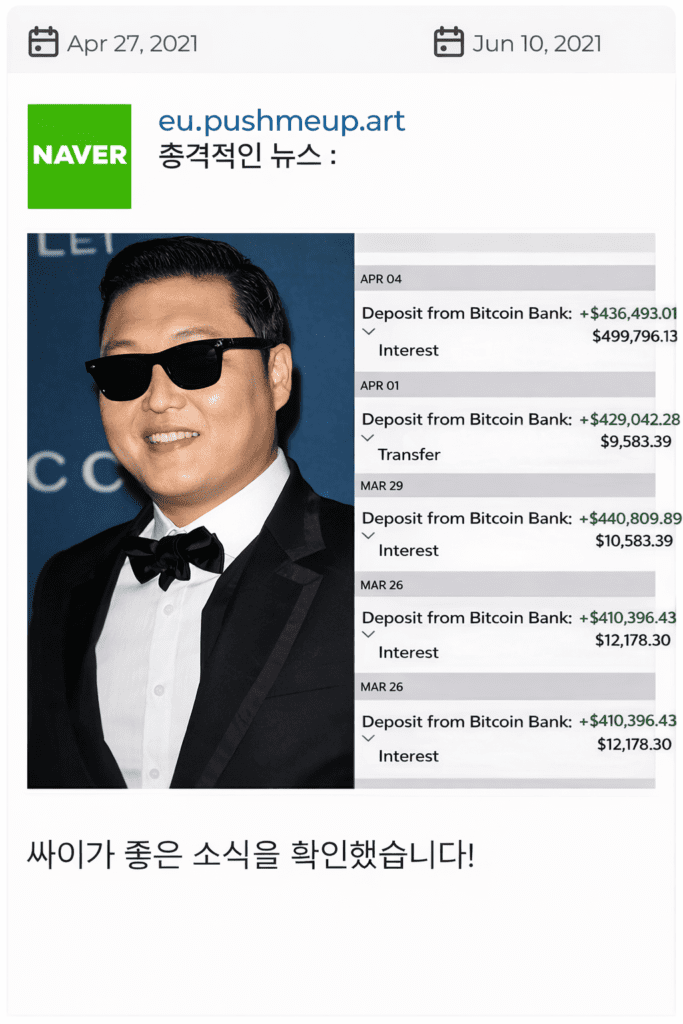
These creatives typically feature well-known actors, influencers, or public personalities associated with success and luxury. Even indirect association, such as lookalikes or implied endorsements, can be effective in capturing attention. They are commonly used in display ads, landing pages, and social media campaigns targeting broad audiences.
iGaming in Korea: Case-Study
Although it’s a bit hard to find case studies from 2026 yet, there are cases from other years. For example, here’s a case study from a Russian webmaster. The author of the case-study was promoting a gambling offer in South Korea:
- Offer type: iGaming offer
- Source of traffic: Facebook
- Payment model: CPL, $18 for every registration
- Expenses: $6,906.05
- Revenue: $16,926.00
- Profit: $10,019.95
- ROI: 150%
If you’re interested in details, read the original article (but you’ll have to translate it from Russian – well, what can you do… we had to do it too).
Summary
South Korea is a high-risk, high-reward iGaming GEO where success depends on localization, trust-building, and multi-step funnels. Affiliates who adapt to its unique ecosystem can unlock strong LTV and long-term profitability despite strict regulations. However, you’ll have to learn how to use Naver and Kakaotalk, the most popular apps in the Korean market.

Ksenia has extensive hands-on experience in affiliate marketing, having worked as a media buyer and affiliate for several years across multiple verticals. Throughout her career, she managed traffic from a wide range of sources, tested funnels, and collaborated directly with advertisers and networks.
For the past six years, she has also been writing in-depth articles, reviews, and analytical guides about affiliate marketing. Her work has appeared on well-known industry blogs and platforms, where she covers topics such as traffic sources, compliance, creatives, tracking, and campaign optimization.
Today, Ksenia combines practical experience with editorial expertise, contributing as a guest expert to various affiliate marketing projects and helping educate both beginners and experienced affiliates.

Ratmir started his copywriting career back in 2016. He is now editor-in-chief with an MA with Honors in Linguistics.
His primary expertise is in affiliate marketing, EdTech, education, IT, and sports.
Ratmir specializes in content marketing, content management, proofreading, and translation.